Travelling for the FIFA World Cup 2026? How to keep your high value items safe
The FIFA World Cup 2026 kicks off on 11 June in the USA, and with football fever building, spectators around the world, including South Africa, are expected to make the journey to support their favourite teams. But, says Tandiwe Cimela, Executive of Elite Risk Acceptances, a high-net-worth insurer and subsidiary of Old Mutual Insure, if you are travelling, don’t forget to ensure that valuable possessions – from smartphones and cameras to jewellery and luggage – are adequately protected.
“As fans prepare for an unforgettable sporting spectacle across the USA, Canada and Mexico, it is worth remembering that overseas travel, while exciting, can increase exposure to risk. But most of that risk can be managed with the right approach,” says Cimela.
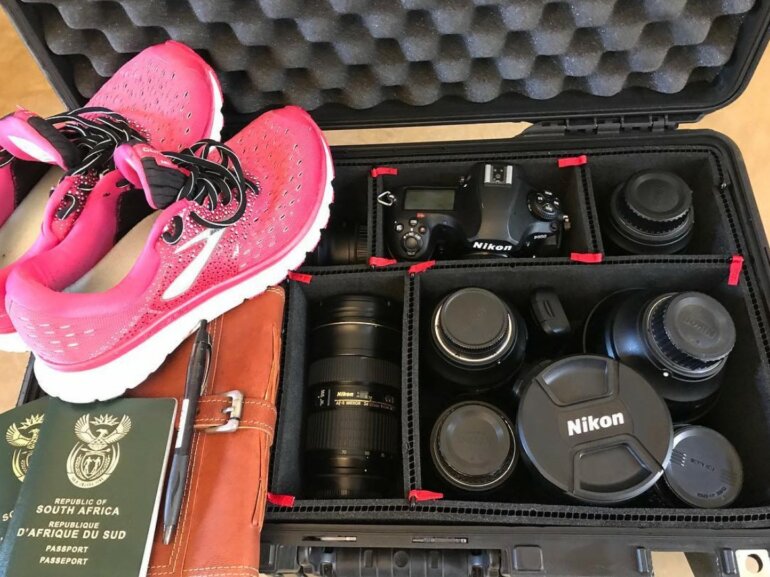
She notes that one of the most persistent misconceptions among travellers is the assumption that personal belongings are automatically covered wherever they go, and for their full value. In practice, she says, this is rarely the case. “High-value items usually need to be specified individually to ensure they are properly covered. If they are not, policyholders can find themselves significantly underinsured without realising it.” She says possessions that are most at risk of being underinsured or incorrectly insured are jewellery, particularly engagement rings and heirlooms, luxury watches, high-end cameras, electronics and collectible items and warns that not every loss is insured. “Situations such as unexplained disappearance, negligence, or leaving items unattended are typically excluded, and this is often where claims fall short.”
Specialist insurers, she says, often cover goods an all-risks basis worldwide, provided policy conditions are met, which offers significantly stronger protection for clients travelling with high-value possessions. Even when items are not specified, worldwide cover may still apply to portable belongings when it comes to accidental loss, theft and damage, but within defined limits and conditions, making it less suitable for anything of significant value.
Cimela advises travellers not to overlook the importance of informing their insurer ahead of departure, particularly when taking high-value items overseas or removing them from usual safekeeping. “It is a simple step, but it ensures that cover remains aligned with how you are travelling. In many cases, it prevents unnecessary complications later on and allows for adjustments before you leave.”
When it comes to luggage, Cimela says while it is a good idea to use tracking devices like AirTags, which have become increasingly common among travellers, these tools should be seen as supplementary rather than protective. “Claims are still assessed based on whether an insured event has occurred and whether reasonable care was taken. Tracking devices add visibility, but they are not a substitute for insurance,” she says. Ultimately, insurers expect policyholders to take reasonable care, particularly in unfamiliar environments. “The simplest way to think about it is this: treat your insured items as if they weren’t insured. That mindset goes a long way in preventing avoidable losses,” she says.
Below are her top tips for South African revelers going to the FIFA World Cup:
• Review your insurance cover before you travel, ensuring worldwide limits are sufficient for the value of items you are taking with you.
• Specify high-value possessions such as jewellery, luxury watches and cameras individually to ensure they are covered for their full replacement value.
• Update valuations where necessary, particularly for items that may have appreciated or been acquired recently.
• Inform your insurer ahead of departure if you are travelling with high-value items or removing them from usual safekeeping.
• Take practical precautions while travelling, including keeping valuables in carry-on luggage, using hotel safes where appropriate, and avoiding unnecessary display of expensive items in public spaces.
Travel Insurance and Safety for Travellers